Refined Lead Ingots
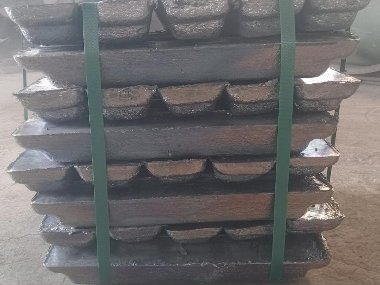
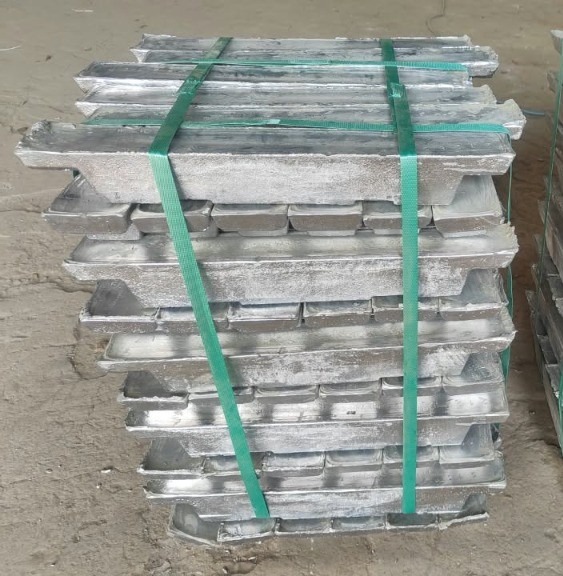
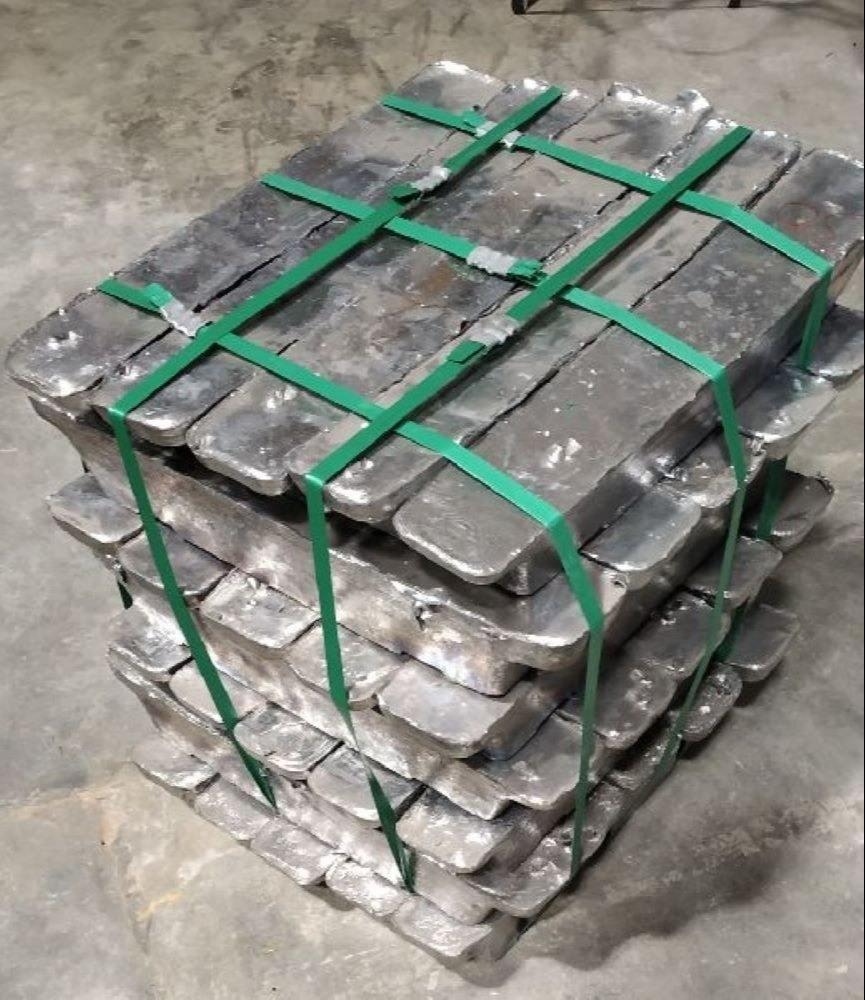
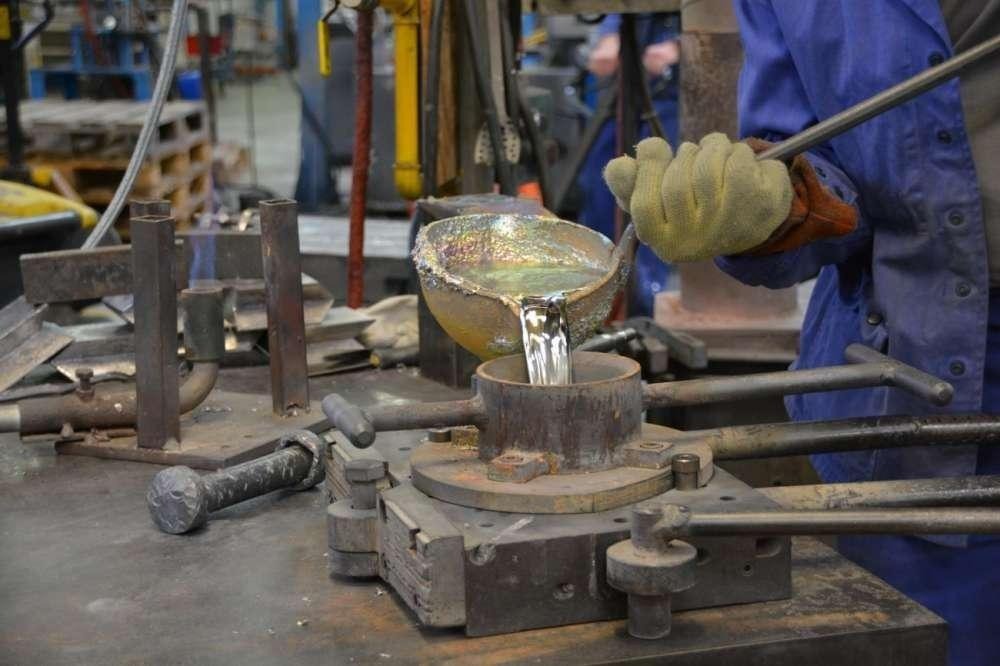
Recovered lead, refined and cast into ingots of uniform weight and shape, cooled, stamped and batch-coded so every unit remains traceable to its production record.
We recover lead-bearing material at the end of its working life and refine it into dependable lead and lead alloys — returning a critical industrial resource to productive circulation.
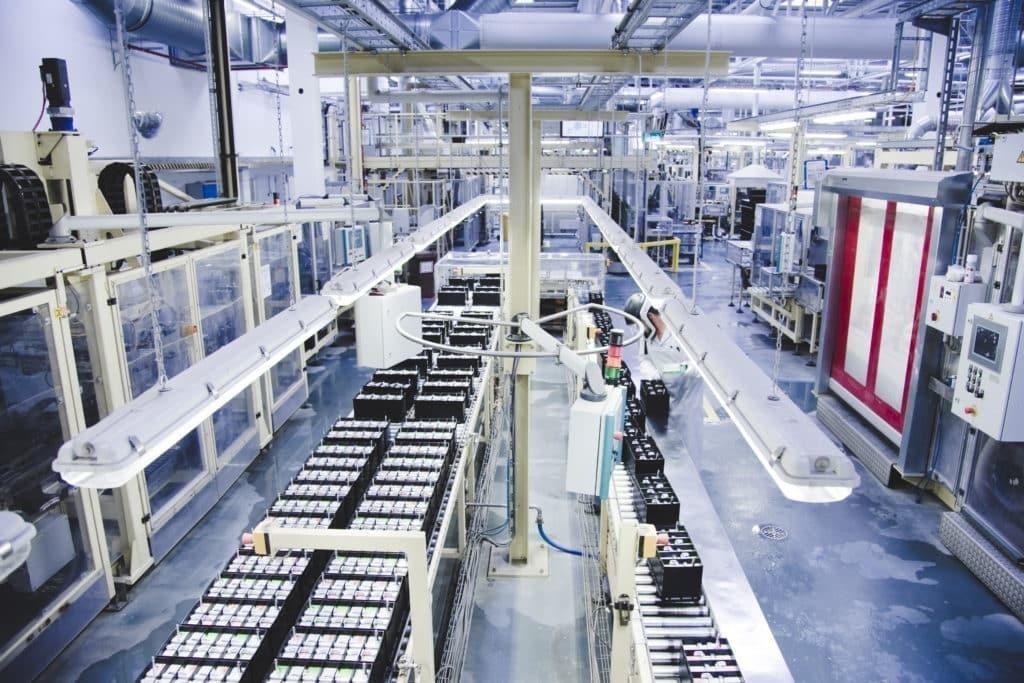
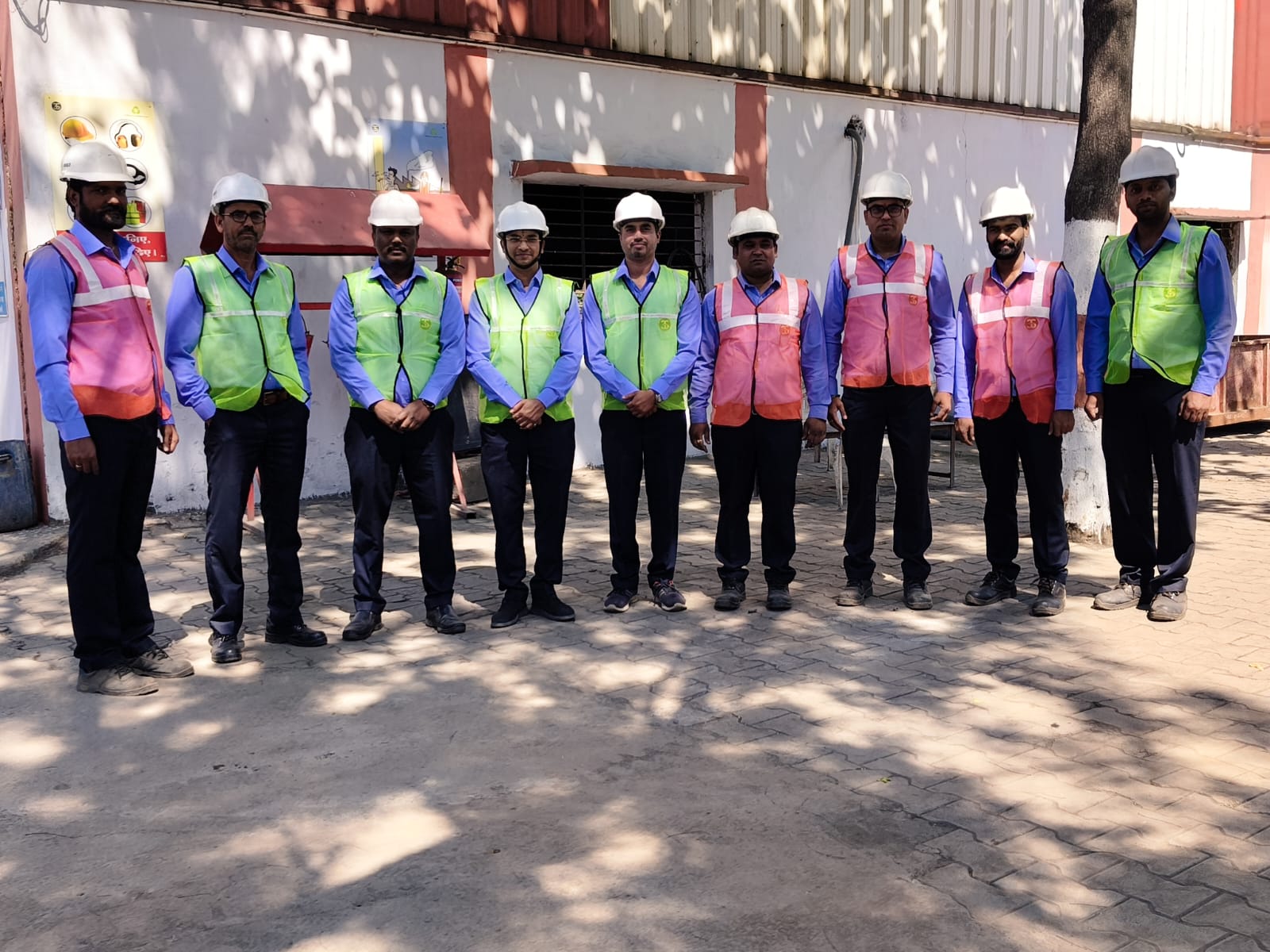
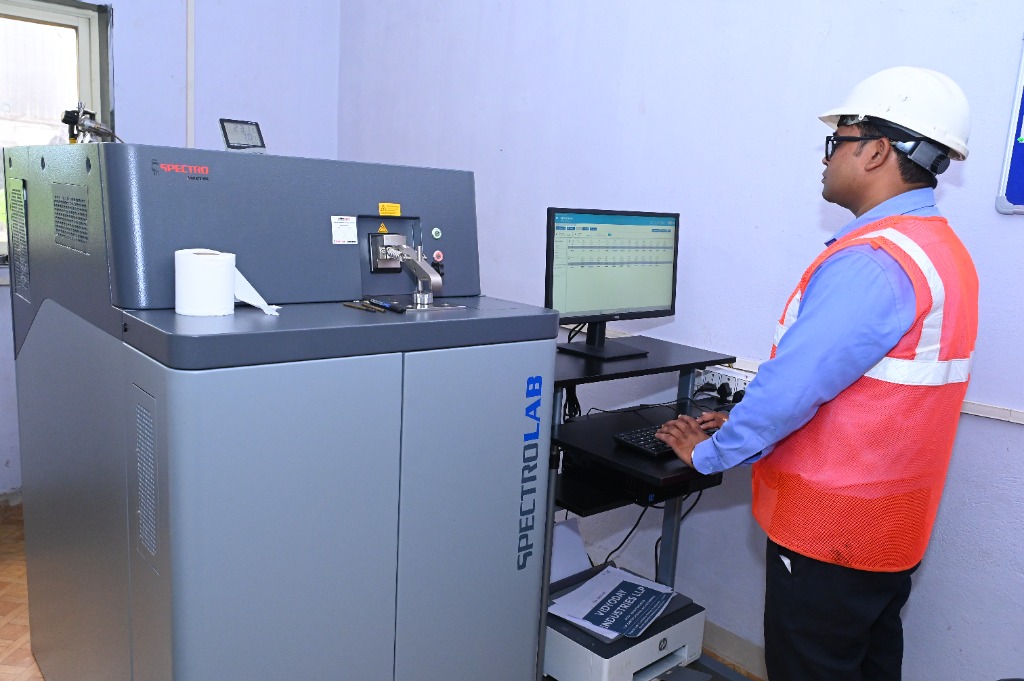
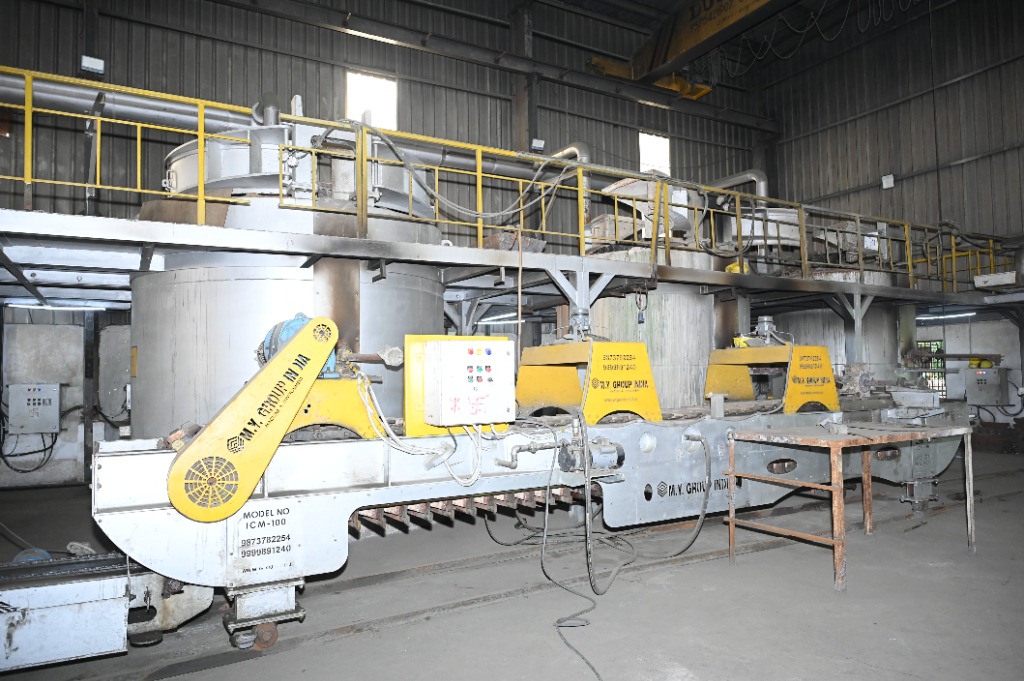
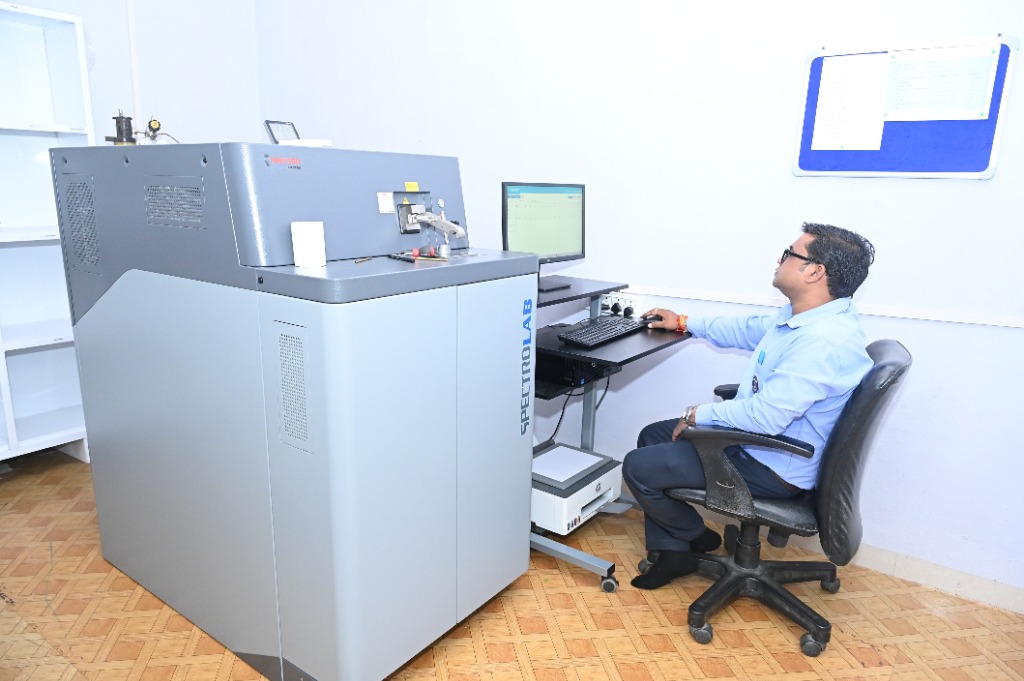
Operating an integrated closed-loop manufacturing plant, 3S Global Greens combines authorized scrap battery recovery, high-temperature rotary smelting, and automated casting with continuous spectrochemical laboratory testing and zero liquid discharge environmental management.
Recycling for a
Sustainable Tomorrow
Recover Resources
Reduce Waste · Build a Greener Future
Lead Battery Scrap
· Collection & SourcingUsed lead-acid batteries are collected from authorized sources and segregated for recycling.
Every figure we publish is verified before it appears. Where a number is not yet confirmed, we describe the practice instead of estimating the result.
11
Years of Operation
Since 2015
In practice
Resource recovery
Reduced dependence on primary mining
Water
Effluent treatment and zero liquid discharge
Air
Air emissions controlled through bag filters
Waste
Slag, dust and plastic to authorised recyclers
3S Global Greens transforms recovered lead-bearing materials into dependable refined lead and lead alloys — combining responsible resource recovery, process discipline, quality engineering and customer-focused supply solutions to keep valuable materials in productive circulation.
Our plant processes used lead-acid batteries and other lead-bearing scrap into refined lead and specialised alloys, reducing dependence on primary mining and supplying reliable raw material back to industry.
About the companyAdvanced recycling and refining technology
Environmentally compliant manufacturing
Consistent quality and assured supply
Strong focus on safety and sustainability


Standard industrial facility — smelting, refining and pollution control — since 2015.
Material arrives, is assessed, processed, refined and returned to industry — with the by-products of each stage handled to the same standard as the product.
What reaches the end of one product’s life can become the beginning of another.
INCOMING MATERIALRecover
A material reaches the end of its first life
Lead-bearing material and end-of-life batteries enter the recycling chain. Approved materials are inspected, processed and segregated.
CONTROLLED REFININGRefine
We transform what still has value
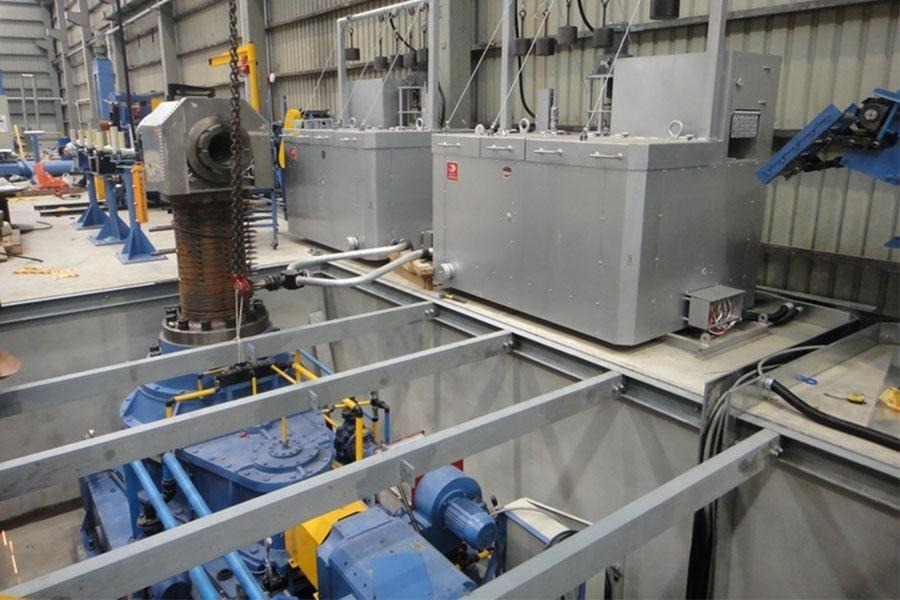
Recovered lead enters controlled smelting and refining operations, where impurities are removed and composition is brought to specification.
CHEMICAL ANALYSISVerify
We confirm it against the specification
Chemical analysis and quality checks confirm the product against agreed specifications, batch by batch.
APPROVED LOGISTICSDeliver
We return it to industry
Refined lead and alloys return to industrial applications — batteries, energy storage, automotive and infrastructure.
BACK INTO SERVICERepeat
The circular journey continues
The material can eventually return to the recycling chain again. One material. Multiple lives.
One material. Multiple lives.
Transparent · Compliant · Quality Driven · Safe · Sustainable
Transparent procurement, weighing, documentation and settlement process.
Responsible recycling practices supported by required statutory, environmental and regulatory processes.
Controlled processing, refining, testing and QC help deliver consistent product specifications.
Structured handling of battery scrap, plant operations, PPE and process controls with focus on worker and environmental safety.
We recover valuable lead from used batteries, reduce waste and support responsible resource conservation.
We don't just buy battery scrap — we responsibly convert waste into a reliable, quality-controlled resource.

Recovered lead, refined and cast into ingots of uniform weight and shape, cooled, stamped and batch-coded so every unit remains traceable to its production record.

Where a customer's application calls for a specific composition, the refining route is tailored to achieve the required alloy grade rather than a single standard product.

Manufactured through controlled refining to deliver consistent chemical composition and mechanical strength. By precisely controlling antimony content, we produce alloys for demanding industrial applications.

Refined lead and Antimonial Lead Alloys are important raw materials in the lead-acid battery industry. Our controlled alloy composition supports the manufacturing of lead-based battery components where consistency, strength and reliable casting characteristics are essential.
Application:

Lead's high density and radiation attenuation properties make it widely used in radiation protection applications. Refined lead can be processed into shielding products for medical, industrial and scientific environments.
Application:

Lead's corrosion resistance and protective characteristics have made it suitable for selected cable-sheathing applications. Lead-based materials can provide an additional protective barrier in demanding environments.
Application:

Lead and Antimonial Lead Alloys are engineered for specialised castings and industrial components requiring controlled density, enhanced hardness, corrosion resistance and reliable mechanical strength.
Application:
A snapshot of the circular economy this plant operates inside, alongside where lead sits against the metals it is bought and sold beside.
Circular economy
Collection
Used lead-acid batteries and lead-bearing scrap enter the chain through authorised dealers, workshops and industrial generators.
Recovery
Material is broken down, segregated and processed rather than sent to landfill or informal, uncontrolled recycling.
Re-entry
Refined lead and alloys return to battery, automotive, energy-storage and industrial manufacturing — the same industries the material came from.
Real-Time Market Reference
Indicative market reference. Not a price quote, and not an indication of exchange registration or linked pricing.
Three pillars — environmental control, workplace standard, and the compliance framework the operation is audited against.

Pollution control is not a department here. It is a stage of the process, sitting between refining and dispatch.
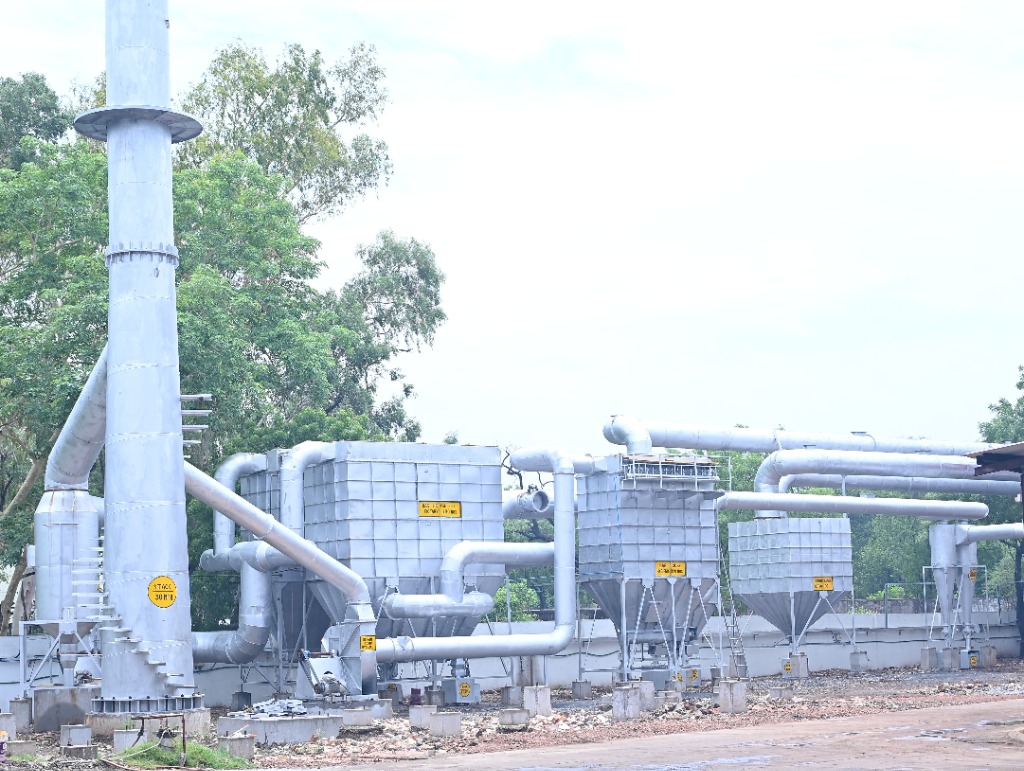
Emissions controlled through bag filters and chimneys built to the prescribed stack height, with continuous environmental monitoring.
Battery acid is neutralised using approved chemicals and treated effluent is routed to the Effluent Treatment Plant, supporting zero liquid discharge practices.
Slag and dust are disposed of through authorised recyclers; separated plastic is sent for recycling.
Energy efficiency and emission reduction initiatives across the smelting and refining operations.

Lead recycling is a controlled-exposure industry. The workplace standard is the licence to operate.
Controlled procedures for handling hazardous materials, with personal protection and process safety built into daily operation.
Regular employee training and skill development across operations, maintenance, quality and safety functions.
Employment generated in the region around the manufacturing unit.
Community engagement alongside plant operations, as part of the company's wider ESG commitment.

Compliance-first is a commercial position, not a legal one. Customers and lenders both audit the same paperwork.
Full compliance with environmental and labour laws applicable to the operation.
Transparent operations and ethical business practices across sourcing, processing and supply.
Regular audits and monitoring of operations, environmental performance and material handling.
A risk and compliance framework governing material sourcing, processing and dispatch.
Corporate, regulatory, quality and sustainability documentation, published in one place for customers, auditors and lenders.
Two routes into the same operation — refined metal supplied against an agreed specification, and lead-bearing material assessed against defined parameters.